
Can Asbestos Be Detected By Smell?
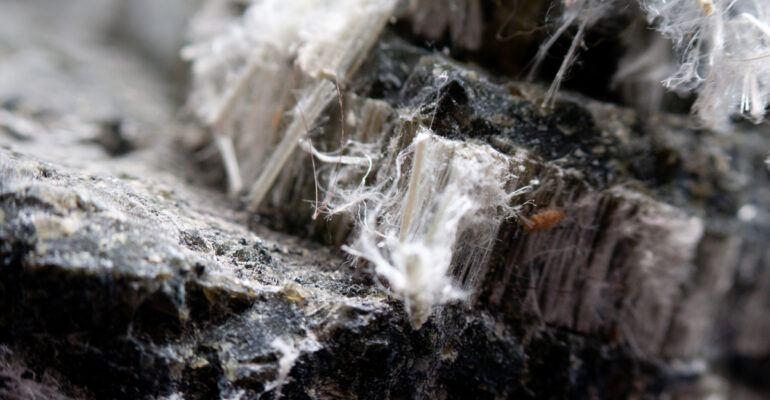
People know that asbestos is dangerous for your health, especially in old homes and businesses. One of the most important things for property owners to know is that asbestos doesn’t smell. It doesn’t smell at all. This is highly dangerous since you can’t see, smell, or taste it. You can’t smell, see, or taste it when it gets into the air.
Many people come into contact with asbestos without knowing it since it can’t be seen without the correct testing. You can protect your health and your home by knowing how asbestos works and why it doesn’t smell.
Why Asbestos Doesn’t Have a Smell
Asbestos is a mineral that develops in nature and is made up of tiny fibers. These fibers are exceedingly little and light. When things that have asbestos in them break or get moved, small fibers can enter into the air.
Asbestos fibers don’t smell like gases or chemical vapors do. Chemicals let molecules into the air that your nose can smell, which is what produces scents. Asbestos is a solid substance, and its fibers do not have a smell when they are in the air.
This means that the air may seem totally normal even in situations where there are a lot of asbestos fibers.
Why This Makes Asbestos Even More Dangerous
Asbestos has no smell, so people can breathe it in without knowing it. Many people believe that dangerous substances will smell unpleasant, yet asbestos doesn’t give out any smells.
When you breathe in asbestos fibers, they might get lodged in your lungs. This can lead to serious health concerns like mesothelioma, lung cancer, and asbestosis over time. It might take a long time for these problems to show themselves, perhaps even decades.
It is very important to discover and stop it early since it has a delayed effect.
Where to Find Asbestos
Many building materials used asbestos in the 1900s. People liked it because it was tough, lasted a long time, and could handle heat and fire. Because of this, a lot of buildings built before the 1980s still contain asbestos in them.
Various popular areas include insulation, ceiling tiles, pipe insulation, roofing materials, textured coatings, and various kinds of flooring. If they are moved during restoration, demolition, or repair work, asbestos particles can be released.
Why It’s Important to Have a Professional Check for Asbestos
To find out if your home has asbestos, it is best to have qualified professionals carefully take samples and send them to labs to be tested.
Contact The Asbestos Institute for Professional Assistance
Asbestos should not be in your home, school, or building. You should have a professional check it for you. You can get skilled asbestos tests, inspection, and advice from the Asbestos Institute to learn about your risks and get any potential risks resolved.
Get in touch with The Asbestos Institute right away to set up a check and make sure your home is still safe and up to code.